

01
The chain
Readsensor tags from the historian (PI or AVEVA) through a read-only interface, or over OPC-UA at the edge.
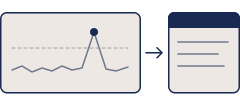
Detectper asset, against that asset's own baseline, with a score and the window that triggered it.
Decidewhether it deserves a work order: above this asset's threshold, not already being handled, priority set by rules the maintenance lead owns.
Actby creating the work order in the CMMS, such as an SAP PM notification or a Maximo work order, with the evidence attached.
Escalatehigh priority to the technician on shift by Teams, SMS or a voice call, and track the acknowledgement.
Learnfrom the closure code: confirmed fault or false alarm feeds back into the thresholds.
02
The decide step
cmms and rules stand for thin adapters over the plant's CMMS and the maintenance lead's rule table.
03
Why a voice call
On a loud floor, with gloves on, a chat message waits. A short voice call with the asset, the signal and a one-word acknowledgement gets an answer. We keep it for high priority only, so it keeps meaning something.
04
OT rules we do not bend
Read-only.Nothing in this chain writes to a control system.
The Purdue model.Data leaves the plant network through the demilitarized zone, with no path back in.
The edge when data cannot leave.Detection runs on site, and only alerts go up.
05
What to measure
False alarms per week, per asset class.Technicians stop reading alerts that are usually wrong. A common target once the model is tuned: fewer than one alert in five on critical assets turns out false.
The share of work orders confirmed as realby closure codes.
Downtime avoided,only against the plant's own baseline: at least twelve months of history before go-live, so the seasons are in it. McKinsey reports 30 to 50% less downtime in mature programmes; only your baseline shows yours.