

01
Four questions, in this order
02
Pseudonymised is not anonymous
Under GDPR, pseudonymised data is still personal data. Rich clinical records are hard to make truly anonymous, because a few fields together can point back to one person. Treat "de-identified" as a claim to check, not a way around the questions above.
03
How the answers map to where it runs
Managed models in your cloud region,when the provider's terms and region meet the contract and the law.
A model you host yourselves,when the data may not go to a model provider at all.
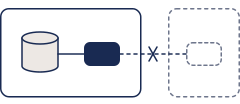
On-premises or inside the hospital network,when the data may not leave the site.
The three options are described in more detail in Your cloud or ours?
04
Collect less raw data, derive more
Rules on personal and health data push towards collecting less. Getting more out of AI over time seems to push the other way. It doesn’t have to.
Derive, don’t hoard:keep aggregates, features and de-identified signals, not more raw records.
Analyze where the data lives:models and analyses run inside the region and the systems the data is allowed in.
Use it for a stated purpose:each new analysis is checked against the purpose people agreed to.
Start with what isn’t personal:machine signals, document structure and usage counts can be analyzed without touching personal data.
Review graph analysis of people first:who works with whom is personal data.
It is one more reason regulated companies build at Level 4. A subscription sends the data from use out of the building; a system of your own keeps it in the region, where you can analyze it.
05
What we record for each use case
A data map:which fields the system reads, where they come from, and which category each falls in.
The decision and its reasons,signed off by the data owner and checked with the law firm.
Per-answer logging:which records each answer used, kept where the data is.
The same company can land in all three options at once: a literature assistant on a managed model, and a patient-facing tool that never leaves the hospital.
Related use case
Trust, safety and complianceGuardrails, review and records, built in from the start.