

01
Same data underneath
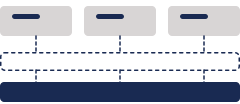
Your customers can already point an AI model at a database. What they can’t do is build in what your experts know: which source to trust, what a field really means, which change matters. That knowledge sits with you, next to data nobody else has.
The data is the moat. Access to it is no longer the product.
02
Different things to pay for on top
Presentations and reports:the analysis your customers’ teams rebuild by hand every month, delivered ready to use.
Research projects:questions answered across your data, with the method shown.
Workflow intelligence:answers inside the tools where your customers decide, not in a separate portal.
Each one sells the outcome your customers buy the data for.
03
The risk of waiting
If you don’t build the layer on top, someone else will: a customer’s own team, a consultancy, or an AI product that licenses your data and keeps the margin. Access then becomes a raw input to somebody else’s product.
04
Equip your customers too
Not every customer wants a finished report. Many want to do the analysis themselves, only faster. The same layer can serve both: finished products for some, and for others tools that let their analysts work the way your experts do.
05
Where to start
List what customers do with your data after they download it.
Find the work they repeat every month. That is a product.
Test it with a small group, through a quick feasibility study, before building.
Price it on the outcome, not on the rows.
By our own rule, each of these products is a Level 4 build: your customers read the answers, so they have to be right, sourced and in your name.
Related use cases
AI-powered revenue productsA paid AI service: will customers pay for it?AI monetizationTurning a working system into revenue.